TL;DR: A developer using OpenAI’s GPT-6 Astra has solved a German Army Enigma intercept from July 1941 that was logged as unsolved. The run took about 10 hours and tested around 14.8 million settings, using a known place-name as a starting guess. It does not mean Bitcoin or modern encryption is at risk — here’s what actually happened and why it matters for people who use AI tools.
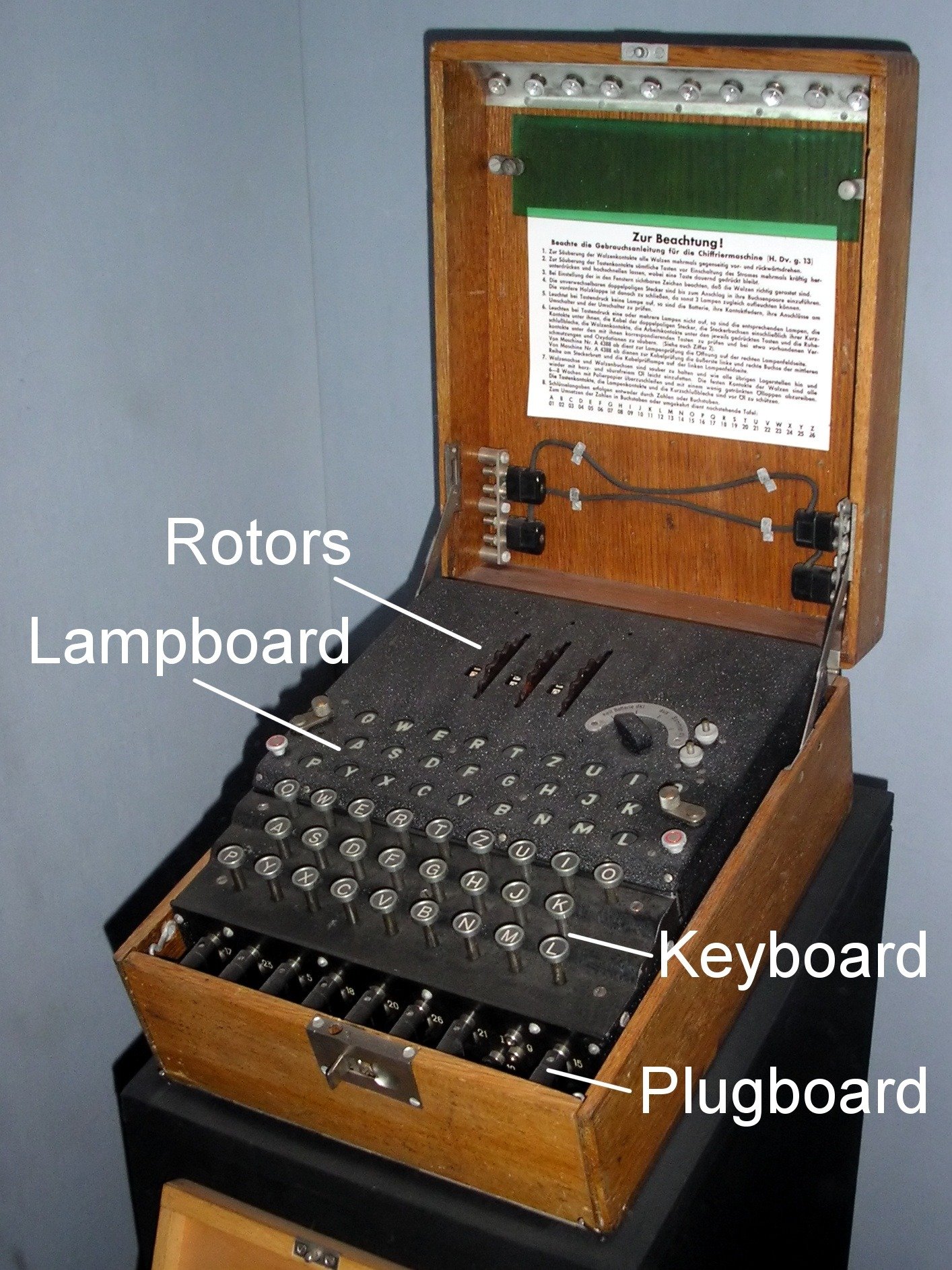
An unsolved World War II cipher sat in an archive for 85 years. Last week it fell — not to a supercomputer built for codebreaking, but to a general-purpose AI model doing historical research, coding, and testing in a loop.
What was solved?
The message is German Army traffic from 10 July 1941, early in the invasion of the Soviet Union. It was filed under the indicator MVUEH and listed as unreadable in researcher Frode Weierud’s CryptoCellar collection.
Developer Carter Leffen targeted that specific intercept. After the run, CryptoCellar updated the entry to solved and credited him.
The recovered machine setup was:
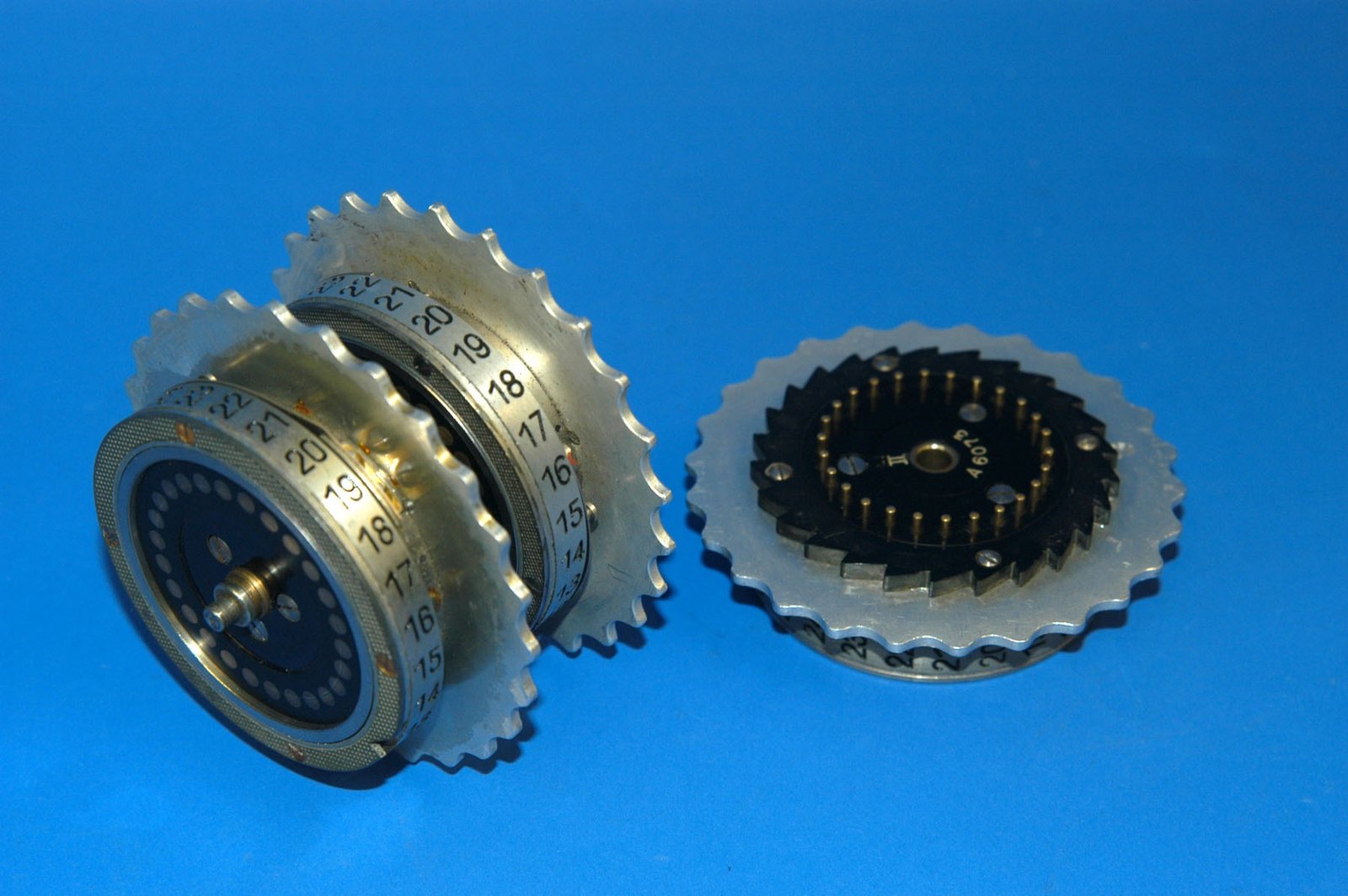
- Rotors in order II – V – III
- 10 plugboard connections (Stecker)
- Full daily key reconstructed, not just partial text
The plaintext itself is routine field traffic — a unit around Rosenow asking for its march route and requesting an immediate radio reply. Ordinary, but historically complete: two separate re-implementations confirmed the same reading.
How did GPT-6 Astra do it in ~10 hours?
It didn’t brute-force Enigma blind. It narrowed the problem first, then automated the grind:
1. A crib from a sister message. Leffen supplied the place-name Rosenow, repeated in an already-solved related message. That guessed plaintext — a classic Bletchley Park technique called a crib — shrank an impossible search into about 14.8 million plausible key checks.
2. AI as research assistant + coder. According to Leffen’s write-up, GPT-6 Astra searched archives for context, built its own Enigma simulator in code, wrote the scoring and search scripts, and ran competing candidates in parallel.
3. Iteration, not magic. The roughly 10 hours was model compute time spent testing, failing, and re-ranking keys — the tedious part humans used to do by hand or with bespoke bombes.
For readers of our AI models guide, this is the pattern to note: the model didn’t invent cryptanalysis. It executed a well-framed workflow very fast.
Why the human still mattered
This was not autonomous hacking. Leffen chose the target, found the Rosenow lead, judged which results looked promising, and steered the investigation.
That split — human judgment, AI execution — is showing up everywhere. Anthropic reported in July that its models surfaced previously undocumented weaknesses in other encryption implementations when guided by researchers.
Enigma itself was already broken in the 1940s. Any modern laptop can clear a 3-rotor keyspace once you give it a good crib. The news here is workflow speed, not a new mathematical break.
Is Bitcoin next? No — Enigma and Bitcoin are different universes
This is the question driving the headlines, so let’s be direct:
A 1930s rotor machine has about 159 quintillion possible settings — sounds huge, but cribs and known rotor wirings collapse it dramatically. Bitcoin wallets rely on SHA-256 and elliptic-curve cryptography (secp256k1), with no cribs, no plugboards, and no 1940s shortcuts.
Breaking those would require fundamentally new mathematics or large-scale fault-tolerant quantum computers, not a faster search over Enigma rotors. The live debate around quantum computing and Bitcoin is real, but this Enigma solve doesn’t move it.
If you handle client work in design tools or web builders: keep using modern encryption, a password manager, and hardware keys. Nothing in this story changes that advice.
What designers and AI-tool users should take away
- AI agents are best at tedious verification loops. Archive search → build simulator → test 14.8M keys → double-check with independent code. That maps directly to design QA, asset checking, and variant testing.
- Framing beats prompting. The winning move was supplying Rosenow. In client work, the equivalent is a good brief, a real constraint, or a verified source file — AI goes 10x faster when you narrow the space first.
- Reproducibility still counts. The solve only stuck because two independent implementations reproduced it and an archive logged it. Screenshots of AI output are not proof; rerunnable files are.
Leffen himself put it in perspective: he said documenting the solve on a website took 99 times more effort than the codebreaking run. Anyone who has shipped a case study will recognise that ratio.
Where it falls short
To stay honest, as we do in all our Tool Radar coverage:
- No new cryptanalytic method was published — this is application, not theory.
- Without the Rosenow crib, the same run would not have been practical.
- General models still need expert steering for sensitive security work; unguided runs hallucinate or chase dead ends.
FAQ
What message did GPT-6 Astra crack?
A German Army Enigma intercept dated 10 July 1941, indicator MVUEH, previously listed as unsolved in the CryptoCellar archive.
How long did it take?
About 10 hours of model time, covering roughly 14.8 million key tests with rotor order II-V-III and 10 plugboard pairs recovered.
Does this threaten Bitcoin wallets?
No. Enigma is a mechanical rotor cipher breakable with a crib. Bitcoin uses SHA-256 and elliptic-curve keys, which are in a vastly harder class and unaffected by this method.
Who should care?
Historians, cryptology enthusiasts, and anyone using AI agents for research and coding — it’s a strong example of human-led, AI-executed problem solving.
Facts checked September 2026 against Leffen’s write-up and the CryptoCellar listing. Images: Enigma machine (Karsten Sperling, public domain) and Enigma rotors (USAF / NSA, public domain) via Wikimedia Commons. AI model names and capabilities change fast — verify before citing in client work.
122 ready-to-use AI prompts — organised by discipline and category, each copyable in one click, free and no sign-up needed. Browse the prompt library →